- Polish manufacturer of car windshield wipers
- +48 58 600 6126
- ul. Topolowa 1A, 84-207 Łężyce, Polska
- biuro@oximo.pl


- Distributors
-
About
-
Products
- Find wipers
- Usage guide
- Blog
- Cooperation
- Download
- B2B order portal
- Contact


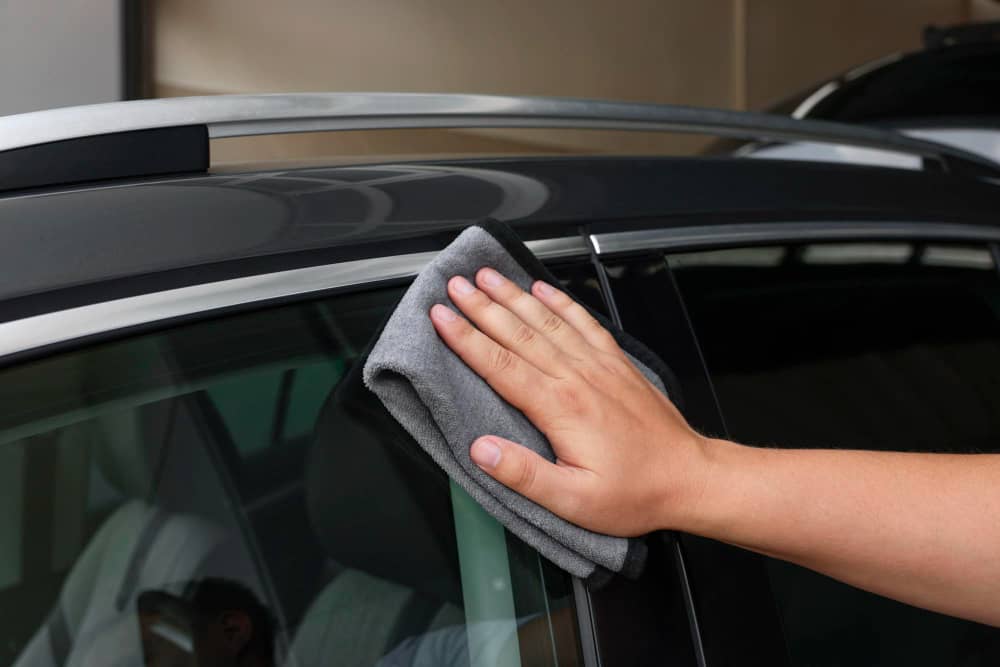
After a while of regular driving, you may notice a greasy film forming on the glass and impairing visibility. A driver’s restricted field of view can, in turn, lead to potentially dangerous situations on the road – especially after dark or in the rain. How should you go about degreasing a car windscreen properly? In this article, we share practical tips and point out the mistakes you should avoid.
Key takeaways:
The characteristic film on the inside of the windscreen is often caused by the materials used to finish the car’s interior. Components made of plastic and vinyl gradually release small amounts of chemical compounds.
This process can be more intense on hot days, when the cabin heats up considerably. The problem is made worse by dashboard-shine products, as well as by care products that contain silicone or oil-based ingredients.
If the dirt comes back quickly after cleaning, feels sticky or is accompanied by a sweetish smell, it’s worth checking the condition of the heating system. One possible cause is a leaking heater core that lets coolant vapours get into the cabin. On the outside, greasy residue is often caused by neglected wiper blades or by touching the glass with dirty hands.
Choosing the right product depends primarily on the type of dirt and the result you want to achieve. You can reach for:
For particularly stubborn greasy dirt, it’s best to reach for a dedicated automotive glass cleaner in liquid or foam form. While you’re at it, clean the rubber wiper blades too, as the dirt built up on them can carry contaminants back onto the glass. If you don’t have any specialist products to hand, you can use a small amount of dishwashing liquid diluted with water as a quick fix, then rinse the surface thoroughly and wipe it dry.
To clean the glass thoroughly, work first with vertical strokes and then with horizontal ones. Pay particular attention to the areas around the seals and the edges of the glass – this is where hard-to-remove residue tends to build up. Don’t forget the wiper blades while you degrease. Contaminants collect on their surface and can be spread across the glass every time you switch them on.
The most common mistakes made when degreasing are:
Keep the situations above in mind so you can use the right technique and enjoy clean glass for longer.