Clear visibility is non-negotiable when you’re behind the wheel. Your windshield washer system, working in tandem with high-quality wiper blades like those from OXIMO, plays a pivotal role in ensuring that clarity. Many drivers overlook a small but critical detail: the alignment of their washer nozzles. The correct setting of these nozzles is directly responsible for the efficient application of washer fluid, which in turn allows your wipers to properly engage with and clear away dirt, grime, and obstructions, safeguarding your journey. This guide will walk you through why it’s important and how to achieve that perfect spray.
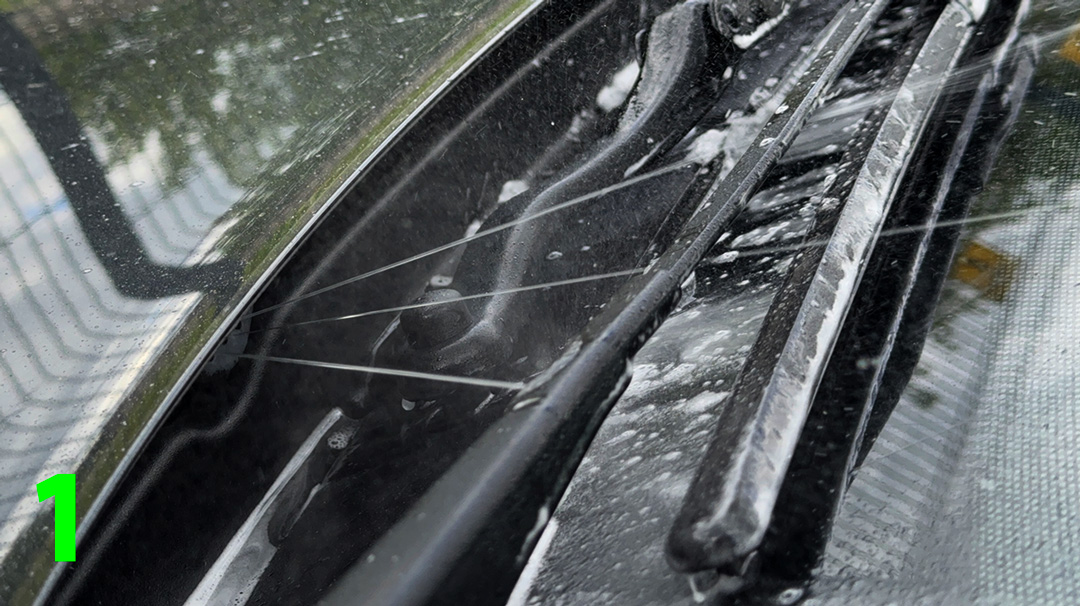
Windshield washer nozzles are small components, but their job is essential. They are designed to spray washer fluid onto your windshield in a specific pattern, preparing the surface for the wipers to sweep clean. Typically, these nozzles are made of plastic or metal and can be found in a few common locations:
Understanding their location is the first step to ensuring they’re working correctly.
You might wonder why a tiny adjustment to your washer nozzles matters so much. The answer lies in effectiveness and efficiency.
Effective cleaning: Properly aimed nozzles ensure the washer fluid covers the optimal area of the windshield – right in the path of your OXIMO wiper blades. This allows the fluid to loosen dirt, grime, and insect splatter, making it easy for the wipers to sweep it away cleanly. If the spray is too low, it won’t reach the critical viewing area; too high, and it might go over the car or not effectively wet the glass.
Efficient wiper operation: When fluid is applied correctly, your wipers don’t have to work as hard. They glide smoothly, clear debris in a single pass, and suffer less wear and tear. Misdirected spray means parts of the windshield remain dry or inadequately wetted, leading to smearing, juddering wipers, and ultimately, poor visibility. The correct fluid application is key for your wipers to collect dirt efficiently.
Fluid economy: A well-aimed spray uses washer fluid judiciously. If nozzles are misaligned, you might find yourself using the washers more frequently and depleting your fluid reservoir faster.
Safety: If the spray is directed too far to one side, or upwards in a way that obstructs your view or that of other drivers (especially with misting nozzles at speed), it can be a safety hazard. Moreover, driving speed impacts the fluid’s trajectory due to aerodynamics; what seems fine when stationary might be off-target when moving.
Washer nozzles come in a few varieties, each with its own spray characteristics:
The adjustment process can vary slightly depending on the type of nozzle your car has.
5. Time for an adjustment? Symptoms of misaligned or faulty nozzles.
Your car will usually give you clear signs that your washer nozzles need attention:
Before you start adjusting nozzles, it’s worth checking for other common issues that can mimic or accompany alignment problems:
Addressing these first can save you a lot of trouble.
Adjusting washer nozzles is often a simple DIY task. Here’s how to do it:
Preparation is key: * Tools: For most stream nozzles, you’ll need a sturdy needle, a safety pin, or a thin, stiff wire. Some nozzles might have specific adjustment screws or require a small flat-head screwdriver. Mist nozzles might have a different adjustment mechanism (consult your car’s manual if unsure). * An assistant: Having someone to activate the washers while you observe the spray pattern from outside the car is incredibly helpful. * Washer fluid: Ensure your reservoir is filled with good quality washer fluid.
Step 1: Check fluid level Top up your washer fluid reservoir if necessary.
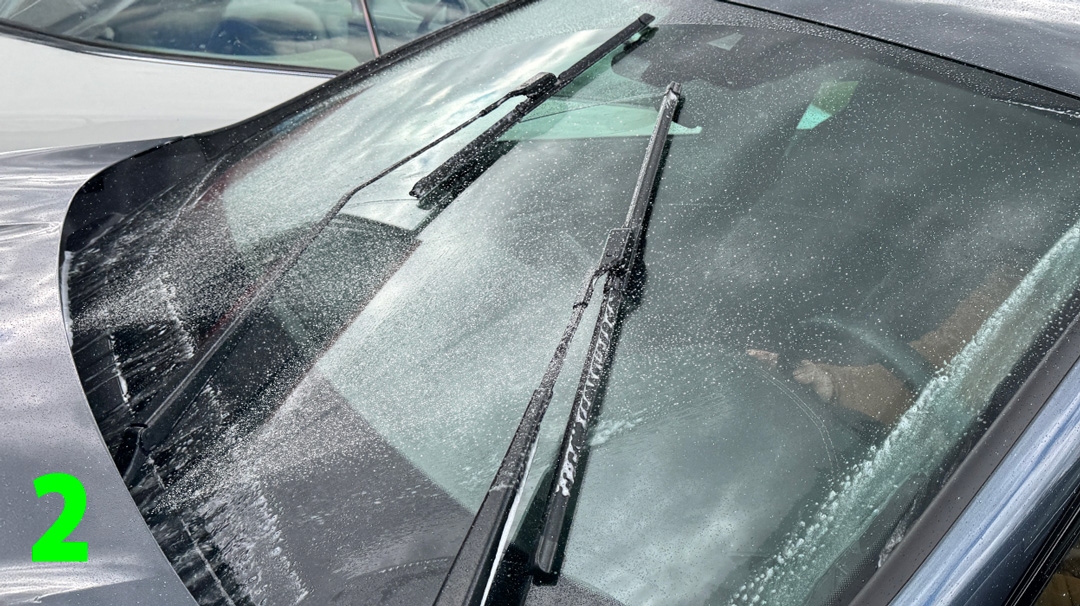
Step 2: Initial assessment (stationary) With the car parked, have your assistant activate the washers. Observe where the fluid hits the windshield. Note if it’s too high, too low, or off to one side. Remember, the goal is for the fluid to land where your OXIMO wipers can efficiently distribute it and clear the dirt.
Step 3: Gentle adjustment of stream nozzles * Carefully insert the tip of your needle or pin into the nozzle orifice. * Gently lever the needle in the direction you want the spray to move. For example, if the spray is too low, gently push the needle upwards from inside the nozzle opening. If it’s too far left, gently push towards the right. * Make very small, incremental adjustments (micro-adjustments). It doesn’t take much movement to change the spray direction significantly.
Step 4: Adjusting mist nozzles (if applicable) Mist nozzles often have a slightly different adjustment method. Some may have a small surrounding ring or tab that can be turned with a screwdriver or by hand. Others might have a ball-joint mechanism that can be repositioned. Always be gentle. If unsure, consult your vehicle’s owner’s manual.
Step 5: Test and re-test After each small adjustment, have your assistant activate the washers again. Observe the new spray pattern. Repeat the adjustment and testing process until the fluid hits the desired spot.
The target zone: Where should the fluid hit? Ideally, the washer fluid should hit the windshield in the lower to middle portion of the area cleared by your wiper blades. This ensures that as the wipers sweep upwards, they carry the fluid across the entire cleaning path, effectively loosening and removing dirt. For systems where nozzles are on the wiper arms, they are designed to spray just ahead of the blade.
While nozzle adjustment is often straightforward, there are times when professional help is needed:
Achieving a clean windshield isn’t just about nozzle aim; it’s about the entire system working harmoniously.
Taking a few minutes to ensure your washer nozzles are correctly aligned is a small investment that pays significant dividends in safety and driving comfort. When your nozzles deliver the washer fluid precisely where it’s needed, your OXIMO wiper blades can perform at their best, efficiently collecting and clearing away dirt for an unobstructed view of the road ahead. Regular attention to your entire windshield cleaning system, from fluid to nozzles to wipers, is a cornerstone of responsible vehicle maintenance and a clear path to safer driving.